A letter to school leaders
Dear School Leaders,
I know what your days look like.
I've watched educators spend entire days moving from meeting to meeting, solving problems, supporting staff, answering difficult questions, and making decisions that affect hundreds of students. Then, after everyone else has gone home, the real work begins.
I've seen presentations built late into the evening because tomorrow's professional development couldn't wait.
I've watched great teachers and administrators give away evenings, weekends, and time with their families—not because they lacked commitment, but because there simply wasn't enough time.
That's why I built Next Step Educational Services.
Every presentation you'll find here was created with one goal: to save school leaders time while helping educators better understand the students they serve. These presentations were built to be useful before they were built to be impressive. They solve real problems in real schools, made by someone who's spent more than seventeen years doing the work alongside the people using them.
If something doesn't help educators better understand students or better support one another, it doesn't belong here.
Thank you for spending a few minutes learning about my work. I hope these resources give you back some time, strengthen your team, and ultimately help more students succeed.
Sincerely,
Founder, Next Step Educational Services
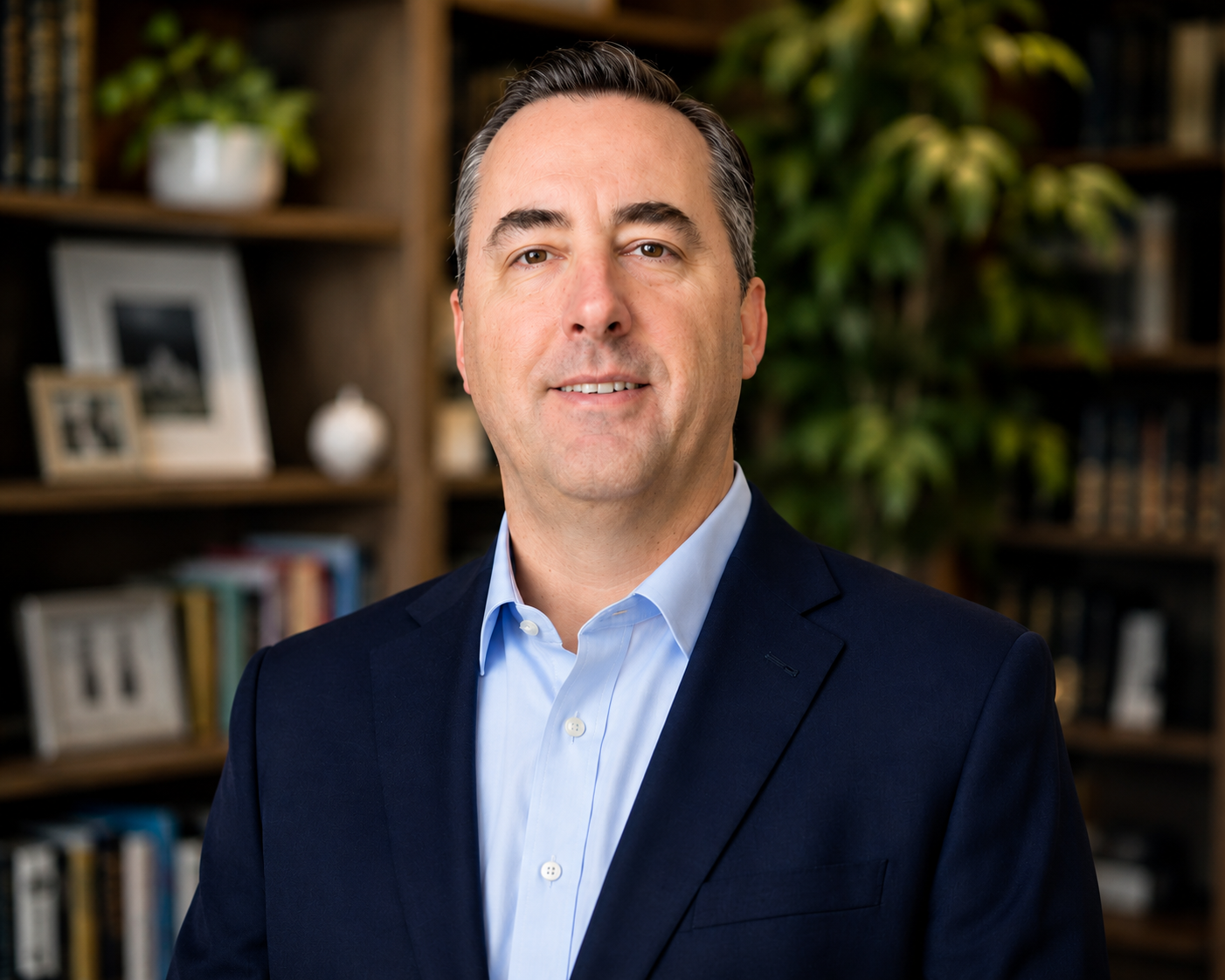
Eric Wicherski
Founder · 20+ years across every level of education
I've sat at that table from every seat.
I've been in IEP meetings as the school's director, as the special education teacher, and as the general education teacher. I've also sat in them as the parent — the one taking notes, asking the hard questions, and going home to figure out what's next.
That range is why I know how this information lands on every side of the table — and why the PD I build stays practical and honest. It helps the teams I work with say the difficult things without losing the room.
I've already stood in the room and delivered these.
These aren't theory. They're the professional development I've already taught — to teachers, to paraprofessionals, to behavior teams, at district PD days, and inside a state-approved Level 3 program I opened and grew from the ground up. Seventeen-plus years of standing in front of staff taught me what lands and what loses a room — what a tired teacher at 3:45 will actually use, what a para needs that no one ever hands them. Every deck is refined through that repetition: built from the work, not about it.
Every student can succeed. So can the people who teach them.
I'm a data- and results-driven educator who believes in servant leadership — that coaching students, families, paraprofessionals, and teachers is ongoing work that deserves daily attention. I've spent seventeen-plus years looking beyond academic, behavioral, social, and emotional obstacles — not ignoring them, but helping educators build systems that let students succeed despite them, without ever lowering the bar. High standards, real rigor, honest expectations, met in a way that fits the individual. Every deck Next Step builds is that belief, made practical enough to hand your staff on a Monday morning.
Twenty-plus years in education.
Across more than seventeen years I've worked at nearly every level of the system — paraprofessional, special education and general education teacher, coach, and school director — in rural, suburban, and urban districts across Nebraska and Iowa. I've taught elementary through high school, plus transition and post-secondary programs, and I opened and grew a state-approved Level 3 school from the ground up. That range is why I can walk into very different buildings and quickly read what a team actually needs.
- 17+ years in education, K–transition age
- General & Special Education
- Autism & behavior classrooms
- Alternate curriculum programs
- Emotional & behavioral support classrooms
- General resource programs
- Opened & grew a Level 3 program
- Rural, suburban & urban districts
- Licensed in Nebraska & Iowa — SPED (K–12), Principal (PK–12) & Supervisor of Special Education (Birth–12)
- Presented on authentic inclusion, behavior intervention plans (BIPs), partnering with paraprofessionals, and person-first language
- Served on behavior (MTSS-B) implementation and district teacher-effectiveness committees
- Completed a leadership academy for aspiring school administrators